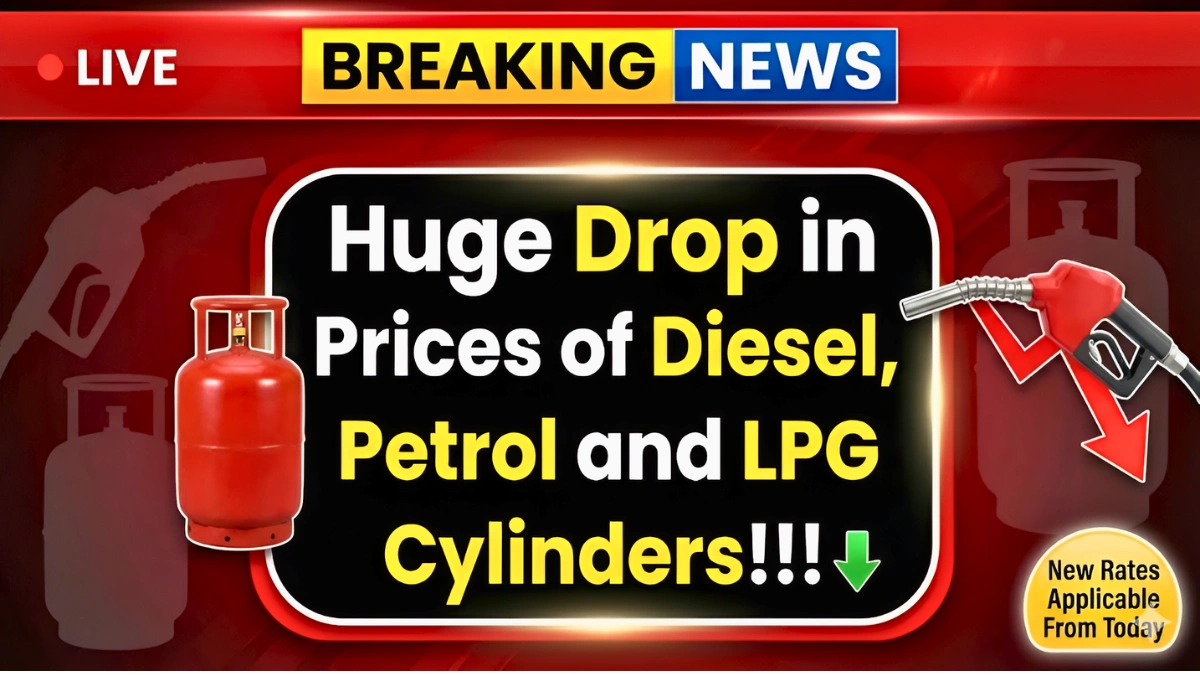
Petrol and Diesel Rate Alert 2026: Petrol and diesel prices have once again grabbed national attention in 2026. Across major cities and smaller towns alike, drivers are checking fuel boards more frequently, trying to understand whether the latest price shift is temporary or the start of a bigger trend. For millions of households, fuel is not just about mobility. It directly influences grocery bills, transport fares, delivery costs, and overall monthly budgeting. The newest rate update brings both caution and curiosity, making it important to understand what is really happening behind the numbers.
Fuel Rates Take Center Stage
The recent adjustment in petrol and diesel rates has created a ripple effect across the country. In several urban regions, petrol has recorded a slight upward revision, while diesel has shown mixed movement depending on state-level taxes. Although the change per litre may appear small, cumulative spending over weeks can significantly impact personal finances. For daily office commuters and commercial vehicle operators, even a one or two rupee shift per litre can alter monthly fuel expenses by hundreds or even thousands of rupees.
Global Crude Prices Driving Change
One of the biggest factors influencing fuel prices in 2026 remains global crude oil trends. International oil markets have been experiencing volatility due to supply adjustments by oil-producing nations and fluctuating demand from growing economies. When crude oil prices rise globally, domestic fuel rates often follow. Even when international prices soften, currency exchange rates and domestic taxation structures determine how much relief reaches consumers at the pump.
Rupee Dollar Equation Matters
The value of the Indian rupee against the US dollar plays a critical role in determining fuel costs. Since crude oil is traded globally in dollars, a weaker rupee increases the cost of imports. In 2026, currency fluctuations have added additional pressure to fuel pricing. Even if crude oil prices remain stable, exchange rate movements can result in higher landed costs, which may ultimately reflect in retail petrol and diesel prices across states.
Tax Structure Impact Explained
Taxes continue to form a significant portion of retail fuel prices. Central excise duties and state-level value-added taxes contribute heavily to the final cost consumers pay. Different states impose varying VAT rates, which is why petrol and diesel prices differ from one city to another. In some regions, temporary tax adjustments have provided minor relief, while others have maintained higher levies to balance state revenue requirements.
Transport Costs Feeling Heat
Whenever fuel prices shift, the transport sector responds almost immediately. Truck operators, bus services, and logistics companies closely monitor diesel rates because it directly affects operational costs. An increase in diesel prices can gradually push up freight charges, which eventually influences the prices of essential goods. Even minor upward movements may lead to marginal increases in vegetable, grocery, and packaged product prices over time.
Household Budgets Under Pressure
For middle-class families, petrol expenses are a fixed monthly component. Rising rates can force households to adjust other spending categories. Some families may reduce discretionary travel, limit weekend drives, or reconsider long-distance road trips. In metropolitan cities, where traffic congestion already increases fuel consumption, higher prices amplify financial stress for daily commuters using personal vehicles.
Electric Mobility Gaining Momentum
Interestingly, the 2026 fuel price alert has strengthened interest in electric vehicles. Many consumers now view EVs as a long-term solution to rising petrol and diesel costs. While electric vehicles require higher initial investment, lower running costs and reduced maintenance are appealing factors. As fuel prices fluctuate, conversations around EV adoption, hybrid vehicles, and alternative mobility solutions continue to grow stronger.
Government Monitoring Market Closely
Authorities are closely observing global oil market trends and domestic economic indicators. Policy decisions often aim to balance consumer relief with fiscal responsibility. In some cases, temporary excise duty reductions or strategic reserve usage can stabilize prices. However, long-term pricing trends largely depend on international supply-demand dynamics and macroeconomic conditions.
Rural Impact Often Overlooked
While urban consumers dominate discussions, rural regions also feel the impact of fuel price changes. Farmers rely on diesel for irrigation pumps and agricultural machinery. Rising diesel prices can increase farming costs, potentially affecting crop production expenses. This indirectly influences food prices in both rural and urban markets, creating a broader economic connection to fuel rates.
Inflation Link Becoming Clearer
Fuel prices and inflation share a close relationship. When petrol and diesel rates climb, transportation and production costs increase, contributing to overall price rises in goods and services. In 2026, economic analysts continue to monitor fuel trends as a key indicator of broader inflation patterns. Stabilized fuel rates can help control inflation, while prolonged hikes may create extended economic pressure.
Smart Ways To Manage Costs
Consumers can adopt practical strategies to reduce the impact of rising fuel prices. Maintaining correct tyre pressure, avoiding aggressive driving, and planning efficient routes can improve mileage. Carpooling and using public transport occasionally can also reduce monthly fuel bills. Small habits, when practiced consistently, help offset the financial effect of price increases without compromising mobility needs.
What The Coming Months Hold
Forecasts for the coming months suggest moderate volatility rather than extreme spikes. Global crude oil production adjustments, geopolitical developments, and seasonal demand changes will influence pricing patterns. While dramatic surges are not currently predicted, minor fluctuations are expected to continue. Consumers should prepare for dynamic pricing rather than assuming prolonged stability.
Final Word On Fuel Shift
The 2026 petrol and diesel rate alert is more than just a headline. It reflects the complex interaction between global markets, currency strength, taxation policies, and domestic demand. Even small price changes can shape household budgets, business operations, and inflation trends. Staying informed and adopting smart fuel-saving habits can help consumers navigate these shifts confidently. While volatility remains part of the fuel market, awareness and planning remain the strongest tools for managing its impact.
Disclaimer: This article is for informational purposes only. Fuel prices are subject to daily revision based on market conditions and government policies. Readers should verify current rates from official sources before decisions.
