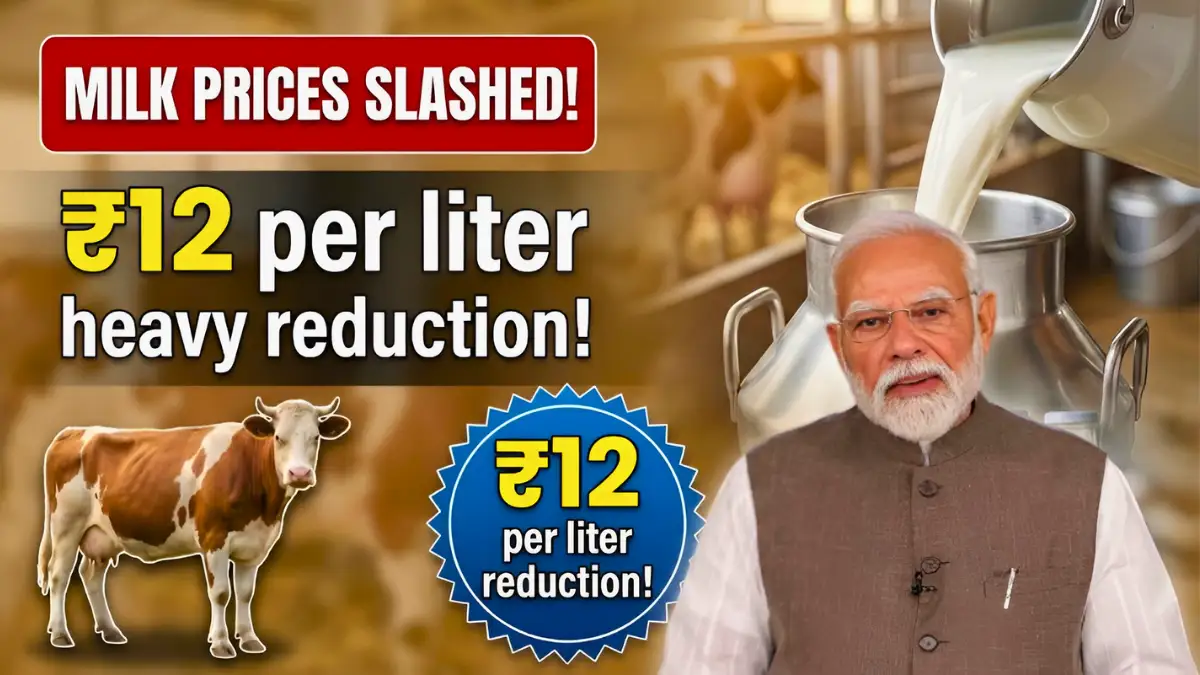
Milk Price Drop Today: Milk prices are finally moving in a direction that brings comfort instead of concern. After months of tight household budgets and rising grocery bills, dairy consumers across India are witnessing a welcome change. Several major milk suppliers have announced a price reduction of up to ₹12 per litre in multiple states, triggering relief for millions of families who rely on milk as a daily essential.
From morning tea to children’s nutrition and traditional sweets, milk plays a central role in Indian homes. Even a small fluctuation in its price impacts monthly expenses significantly. The latest price revision reflects improved supply conditions and changing cost structures within the dairy industry. Here’s a detailed look at what this means for consumers, farmers, retailers, and the broader food market.
Household Budgets Finally Breathe
Milk is not a luxury item; it is a necessity. A family consuming two litres daily could now save anywhere between ₹400 to ₹700 per month depending on their city and brand choice. That difference may seem modest on paper, but in practical terms, it helps offset rising vegetable, fuel, and utility costs.
Lower milk prices also provide psychological relief. When staple commodities stabilize or decline, consumer confidence improves. Families feel more in control of their spending, and this often leads to better financial planning for the months ahead.
Revised Rates Across Key States
The new pricing structure varies slightly depending on the state and dairy brand. In cities such as Delhi, Mumbai, Ahmedabad, Bhopal, Lucknow, and Kolkata, price reductions range from ₹5 to ₹12 per litre across full cream, toned, and double toned variants.
In some regions, cooperative dairies have adjusted prices first, followed by private players responding to competitive pressure. Local distribution costs and state-level tax structures also influence final retail prices, so consumers may notice minor variations within districts.
Supply Conditions Improve Strongly
One of the biggest drivers behind this price drop is improved milk production. Favorable weather conditions and better fodder availability have supported higher yield in major dairy-producing states like Uttar Pradesh, Gujarat, Rajasthan, and Maharashtra.
When production increases and logistics remain stable, dairy companies gain flexibility in pricing. Transportation costs have also eased slightly compared to previous quarters, allowing companies to pass some benefits directly to consumers.
Competition Among Dairy Brands
The Indian dairy market is highly competitive. Large cooperatives and private companies constantly monitor each other’s pricing strategies. Once one major player announces a reduction, competitors often follow to protect market share.
This competitive dynamic benefits consumers. It encourages brands to optimize their supply chains, reduce inefficiencies, and offer better value. In many cities, retailers report that brands are also enhancing packaging and promotional offers alongside price cuts to attract buyers.
Impact On Small Vendors
Tea stalls, sweet shops, and small eateries are among the biggest beneficiaries of reduced milk prices. Since milk is a key input cost for their business, even a ₹5 reduction per litre can significantly improve profit margins.
Lower procurement costs may also prevent price hikes in tea, coffee, and milk-based snacks. This indirectly helps consumers beyond household purchases, as everyday food items remain affordable at local shops and street vendors.
Farmer Income Stability Question
While consumers celebrate, attention naturally shifts toward dairy farmers. Most dairy cooperatives have clarified that procurement prices paid to farmers remain unchanged for now. The current retail reduction is largely attributed to operational efficiencies and improved supply balance.
However, long-term sustainability depends on maintaining fair compensation for farmers. If production costs rise in the future, pricing adjustments may again become necessary to protect farmer livelihoods.
Seasonal Patterns Explained
Milk production in India follows seasonal cycles. The flush season, typically associated with better fodder and favorable weather, results in higher milk output. During this period, supply increases, often leading to softer prices.
Conversely, the lean season sees reduced production and higher costs. The present price drop aligns with a strong production phase. Analysts believe that if weather conditions remain supportive, prices may remain stable for several months.
Inflation Pressure Eases Slightly
Milk contributes significantly to food inflation data. A decline in its price can slightly ease overall inflation figures, especially in urban areas where packaged milk consumption is high.
This adjustment may also influence prices of related dairy products such as curd, butter, paneer, and ghee in the coming weeks. While immediate cuts in processed dairy items are unlikely, stable raw milk costs create a favorable environment for price control.
Retail Demand Picks Up
Early retail feedback suggests that lower prices are encouraging higher purchase volumes. Some families are buying larger quantities, while others are experimenting with value-added dairy recipes at home.
Retailers have also noticed stronger weekend sales. When essential items become cheaper, consumers feel more comfortable increasing overall grocery spending, which supports the broader retail ecosystem.
Long Term Market Outlook
The dairy sector remains sensitive to input costs such as cattle feed, fuel, and packaging materials. If these costs remain stable, the current pricing relief could continue. However, any sudden disruption in supply chains or weather patterns may impact future price decisions.
Industry observers believe that technological improvements in cold storage, logistics, and milk processing will play a key role in maintaining stable prices going forward.
What Consumers Should Monitor
Consumers should keep an eye on official price announcements from their preferred dairy brands. Comparing variants such as full cream, toned, and double toned milk can help maximize savings.
It is also wise to monitor expiry dates and storage conditions, especially when buying in bulk. Proper refrigeration ensures that the benefit of lower prices does not result in unnecessary wastage.
Final Verdict On Milk Prices
The latest milk price reduction brings tangible relief to millions of households across India. With savings of up to ₹12 per litre in certain regions, families can better manage their monthly grocery budgets without compromising daily nutrition.
While market dynamics will continue to evolve, the current situation reflects improved supply conditions and healthy competition within the dairy industry. For now, consumers can enjoy the benefit of lower milk prices, knowing that even small reductions in essential goods make a meaningful difference in everyday life.
Disclaimer: Milk prices mentioned in this article are based on recent market updates and may vary by city, brand, and retailer. Readers are advised to verify current rates locally before purchasing.
